
-
Email:zhao@hyliec.cn
-
Tel:+86 311 85273988
-
WhatsAPP:8613931128750

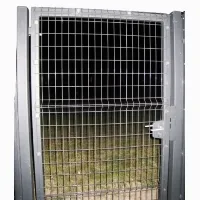
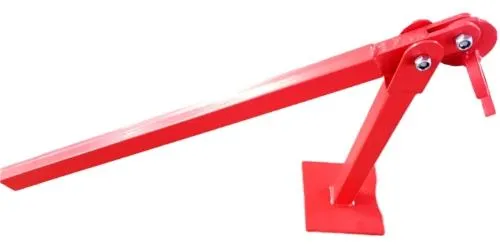
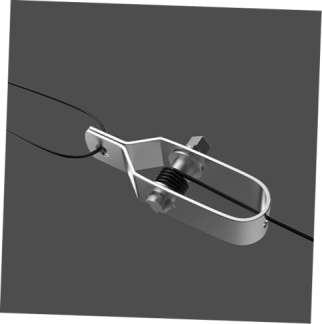
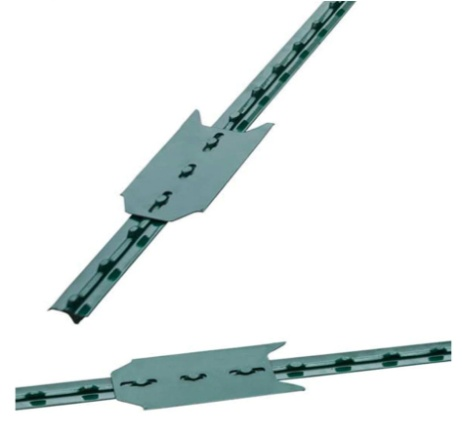
Creating Tomato Stakes A Guide to Supporting Your Plants When it comes to growing tomatoes, one of the most essential considerations is how to provide adequate support for the plants. As tomatoes grow, they can become heavy with fruit and challenging to manage if left to sprawl on the ground. This is where the concept of making tomato stakes comes into play. This article will guide you through the process of creating effective tomato stakes, ensuring your plants thrive and produce an abundant harvest. Understanding the Need for Support Tomato plants, especially indeterminate varieties, continue to grow and produce fruit throughout the season. Without proper support, stems can break, leading to loss of fruit and potential damage to the plants. Supporting your tomatoes helps improve air circulation, reduces the risk of disease, and makes harvesting easier. With the right stakes, your tomatoes will not only grow healthier but also yield better fruit. Choosing the Right Materials When selecting materials for your tomato stakes, consider durability, weight, and availability. Here are some common choices 1. Wooden Stakes Using untreated wooden stakes (such as cedar or pine) is a popular option. Ensure they are at least 6 to 8 feet tall for proper support. Cut them into lengths that allow about 2 feet to be pushed into the soil, with the remaining height above ground to support the plants. 2. Metal Stake Galvanized steel or aluminum stakes are long-lasting and resistant to rust. They can be more expensive but offer excellent durability. Look for stakes that are at least ½ inch in diameter for stability. 3. Bamboo Poles Lightweight and environmentally friendly, bamboo stakes are also an effective option. They are easy to handle and can be found at most gardening centers. Choose poles that are sturdy enough to support the weight of mature plants. 4. Plastic or Composite Stakes These materials are becoming more popular due to their resistance to rot and weather conditions. They come in various sizes and can be a cost-effective choice. Crafting Your Stakes making tomato stakes Once you have chosen your materials, the next step is crafting your tomato stakes . Here’s a simple method to follow 1. Measure Your Stakes Determine the height you want your stakes to reach above the tomato plants (typically 5 to 6 feet) and cut them accordingly. 2. Prepare the Soil For wooden or metal stakes, dig a hole approximately 12 to 18 inches deep where you want to place your stake. This will provide stability for your plants. 3. Insert the Stake Push the stake into the ground next to the tomato plant, ensuring it is secure and straight. The bottom of the stake should be deep enough to withstand wind and the weight of the plant. 4. Attach the Plant Use soft plant ties, garden twine, or strips of fabric to secure the main stem of the tomato plant to the stake. Be careful not to tie too tightly to avoid damaging the stem. As the plant grows, you can continue to tie it to the stake, keeping it upright and supported. Additional Tips for Success 1. Staking Early Place your stakes in the ground early in the growing season, preferably when planting your tomatoes. This prevents root disturbance later. 2. Spacing Space your stakes properly to allow air circulation and room for growth. Generally, stakes should be around 2 feet apart. 3. Regular Monitoring Check on your plants regularly. As they grow, ensure they are adequately supported and adjust ties as needed. Conclusion Creating tomato stakes is a straightforward yet essential part of successful tomato gardening. By providing the right support for your plants, you can enhance their growth potential and ultimately enjoy a bountiful harvest. Whether you opt for wooden stakes, metal, or bamboo, taking the time to prepare and implement a staking system will pay off with healthy, thriving tomato plants. Happy gardening!

-
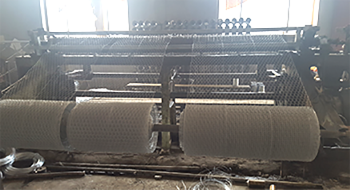
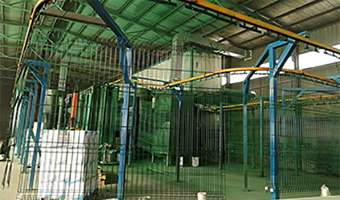
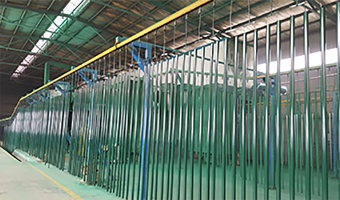
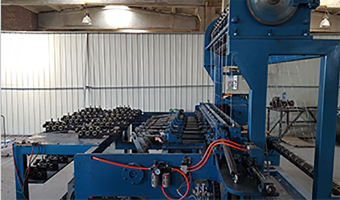
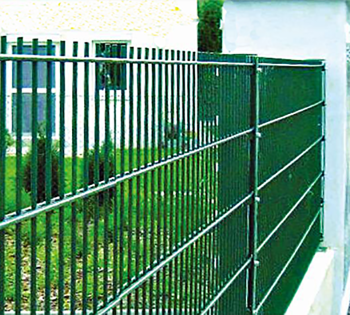 Rich export experienceRich experience for fencing production and export to North of America, Europe, South of America, and South of Africa more than 20 years.
 -
Complete product systemThe Maintenance free coatings coupled with a durable design offer owners and developers a products that can match all project requirements for safety
-
High-quality productsHigh quality control and specialist team for production process, inspection, packaging, QC Etc. to meet customer requirements.
-
Excellent serviceProvide professional technical support to customers, High quality after- sales support ensures that customers have no worries at all.
-
 Enhancing Protection with an 8% Security Fence for Your Property's SafetyThe Importance of 8% Security Fence in Modern Society In an increasingly insecure world, the importa2026-04-04 15:35
 -
 Eco-Friendly Garden Supports for Healthy Plant Growth and StabilityCreating a Beautiful Garden with Green Garden Stakes Gardening is more than just a hobby; it’s a pas2026-04-04 15:32
 -
 Creative Square Post Ideas for Enhancing Your Front Porch Aesthetic and FunctionalityEmbracing the Charm of a Square Post for Your Front Porch When it comes to enhancing the curb appeal2026-04-04 14:59
 -
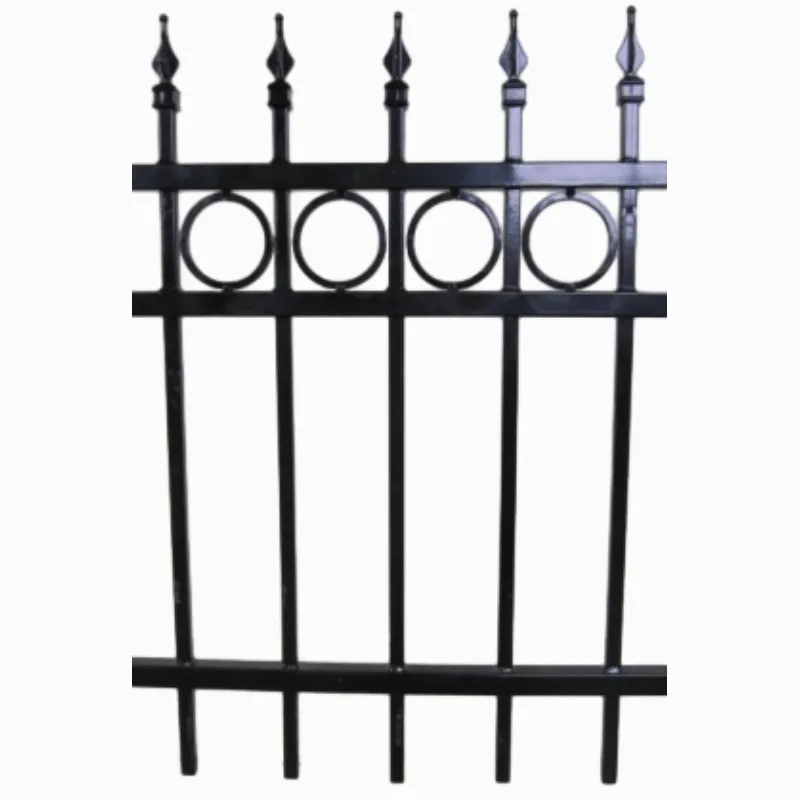 Creative Designs for Decorative Fence Top Panels Enhancing Your Outdoor Space Aesthetic and PrivacyDecorative Fence Top Panels Enhancing Your Outdoor Aesthetics In the realm of outdoor design, fences2026-04-04 14:53